The responsibility for animator include (but not limit to):
- Create and draw characters for television, movies, or video games using computers.
- Work with directors and other animators to create story lines involving the characters.
- Create sketches, artwork, and illustrations.
- Draw storyboards.
- Concept the story frame-by-frame.
- Record dialogue.
- Work with editors to bring together the layers of animation, including backgrounds and graphics.
- Sequence frames together to create animation.
- Utilize modeling clay, plaster, oil paints, watercolors and acrylics.
- Design a variety of characters with different personalities.
- Use technical software packages, such as Flash, 3d studio max, Maya, Lightwave, Softimage and Cinema 4D.
- Time characters' movements to soundtracks or voice overs.
- Interpret scripts.
- Develop concepts for characters and pitch ideas to clients.
- Design animated backdrops for characters.
- Work within the bounds of 2D animation, 3D model-making animation, stop frame or computer-generated animation.
The job there If I get to interview with them for a multimedia artist/ animator job, the question I would be asking would probably be...
"What is the working environment like"
"What is the working schedule like? From when do I work and how flexible is it?"
"Do we get to keep ideas/ art work that we work outside of working space as our own? or does the company own it."
"What is something that I should be aware of in this company?"
"What are the most important thing to be successful in the this field"
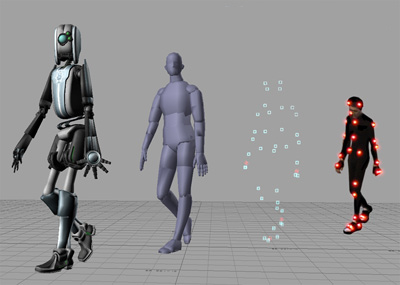
(source: http://en.wikipedia.org/wiki/Computer_animation)

I like this question,
ReplyDelete"Do we get to keep ideas/ art work that we work outside of working space as our own? or does the company own it."
Fits right in with our copyright discussions. I would probably ask the same question to a potential employer as well. good thinking.